Start Your Dream Garden With Fresh Garden Seeds
Walking into a garden center is a sensory experience. You see racks of vibrant packets promising juicy tomatoes, crisp cucumbers, and zinnias that pop with color. While buying established transplants is convenient, there is a special kind of magic in starting your garden from scratch.
Starting with fresh garden seeds opens up a world of variety, saves you money, and connects you deeply to the growing cycle. Whether you are planting a few pots on a patio or tilling a quarter-acre plot, success starts with that tiny seed.
Here is everything you need to know to turn those packets into a bountiful harvest this season.
Why Choose Seeds Over Transplants?
It is tempting to grab the pre-grown pepper plant that already has a bloom on it. However, experienced gardeners often prefer seeds for several compelling reasons.
Infinite Variety at Your Fingertips
Garden centers can only stock so many trays of transplants. They usually stick to the most popular, disease-resistant, and transport-hardy varieties. When you browse seed racks, the options are nearly limitless. You can find heirloom tomatoes with flavors you can’t buy in stores, purple carrots, or heat-tolerant spinach varieties specifically bred for our Texas climate.
Stronger Root Systems
Plants grown in place from seed often develop stronger, more natural root systems. They don’t suffer from “transplant shock”—that period of stalled growth that happens when you move a plant from a plastic pot to the ground. A seed that sprouts in your soil adapts to that soil from day one.
Cost-Effectiveness
A single transplant might cost $4 or $5. For the same price, you can buy a packet of 50 seeds. If you are planting a large row of beans or a bed of marigolds, growing from seed is exponentially cheaper. It allows you to experiment with different crops without a huge financial commitment.
Choosing the Right Seeds for Our Climate
In the New Braunfels area, we deal with specific challenges: intense heat, variable rainfall, and mild winters. Choosing the right seed is half the battle.
Look for “Days to Maturity”
On the back of every seed packet, you will find a number indicating “Days to Maturity.” This tells you how long it takes from planting until you can harvest. In our area, quick-maturing varieties are often better because they can produce a crop before the scorching summer heat sets in or before the first freeze arrives in late fall.
Check for Disease Resistance
Our humidity can sometimes encourage fungal diseases like powdery mildew or blight. Modern hybrids are often bred to resist these common issues. Look for codes like “VFN” on tomato packets, which indicate resistance to Verticillium, Fusarium, and Nematodes.
Seasonality is Key
We are lucky to have two distinct growing seasons—spring and fall.
- Cool-season crops (Plant in early spring or fall): Lettuce, spinach, kale, radishes, peas, and carrots.
- Warm-season crops (Plant after danger of frost): Tomatoes, peppers, okra, squash, corn, and melons.
Step-by-Step Guide to Planting Fresh Seeds
Once you have your packets, it’s time to get your hands dirty. You can start seeds indoors to get a jump on the season or sow them directly into the ground.
Option 1: Direct Sowing Outdoors
This is the easiest method for beginners and works best for large seeds (beans, squash, corn) and root vegetables (carrots, beets).
- Prepare the Soil: Clear the area of weeds and rocks. loosen the top 6-8 inches of soil. Mix in high-quality compost or organic matter to improve drainage and add nutrients.
- Read the Packet Depth: This is crucial. A general rule is to plant a seed twice as deep as it is wide. Tiny seeds like lettuce hardly need covering at all, while beans need to be an inch deep.
- Plant and Cover: Place your seeds at the recommended spacing. Gently cover them with loose soil or potting mix. Do not pack the soil down too hard; the sprout needs to push through easily.
- Water Gently: Use a watering can or a hose with a mist setting. A strong blast of water will wash your seeds away. Keep the soil consistently moist (like a wrung-out sponge) until they sprout.
Option 2: Starting Seeds Indoors
This method is great for crops that need a longer growing season, like tomatoes and peppers. You essentially give them a head start while it is still cold outside.
- Use Sterile Mix: Do not use garden soil in containers; it is too heavy and may contain pathogens. Buy a specific “seed starting mix” which is light and fluffy.
- Containers: You can use plastic trays, peat pots, or even recycled yogurt cups (just poke drainage holes in the bottom).
- Light is Critical: A sunny windowsill is rarely enough. Seedlings need bright light to grow strong and stocky. If they don’t get enough light, they will become “leggy”—tall, thin, and weak. Consider using a simple grow light placed 2-3 inches above the tops of the plants.
- Hardening Off: This is the step most people forget. Before moving indoor plants outside permanently, you must acclimate them. Over a week, place them outside for increasing amounts of time, starting with an hour in the shade. This toughens the leaves against wind and sun.
Nurturing Your Seedlings
Seeing that first loop of green break the soil surface is a thrill that never gets old. To keep them growing, you need to be attentive.
Thinning the Herd
It hurts to do it, but you must thin your seedlings. If you planted three seeds in one hole to ensure germination and all three came up, you need to snip off the two weakest ones. If you don’t, they will compete for water and nutrients, and none of them will thrive.
Consistent Moisture
Seedlings have tiny, shallow roots. They dry out very quickly. Check them daily. If the top of the soil looks dry, it’s time to water. However, avoid drowning them; soggy soil can cause the roots to rot.
Feeding
Seeds contain enough energy to sprout and grow their first set of leaves (cotyledons). Once the second set of “true leaves” appears, the plant needs food. Use a diluted liquid fertilizer (fish emulsion or a balanced starter fertilizer) to give them a gentle boost.
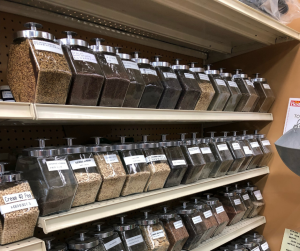 The Importance of Quality Fresh Garden Seeds
Not all garden seeds are created equal. Old seeds that have been sitting in a hot garage for three years may have low germination rates. You might plant a whole row and only see two sprouts.
Starting with fresh garden seeds from a reputable source ensures you’re not wasting your time and effort. Fresh, high-quality seeds have higher germination rates, meaning you get more plants for your money. They are also stored correctly to maintain their vigor and ensure they’re ready to thrive.
At New Braunfels Feed, we take pride in stocking fresh garden seeds that are specifically suited for our local Texas soil and climate. We want your garden to succeed just as much as you do.
Troubleshooting Common Issues
Even with the best preparation, nature can be unpredictable.
- Nothing sprouted: Did you plant too deep? Was the soil too cold? Did the seeds dry out? Dig gently to see if the seed is still there.
- Seedlings fell over: This is often “damping off,” a fungal issue caused by too much moisture and poor air circulation. Thin your plants and water less frequently.
- Leaves look purple: This can indicate a phosphorus deficiency, often caused by cold soil temperatures preventing nutrient uptake. It usually resolves as the weather warms.
Let’s Get Growing
Gardening is a journey of patience and learning. Every seed you plant is a lesson and a promise of tomorrow. Whether you are growing food for your family or flowers for the pollinators, it all begins with that simple act of placing a seed in the earth.
Stop by New Braunfels Feed to explore our fresh selection of garden seeds. Our team is happy to help you pick the perfect varieties for your patch of Texas.