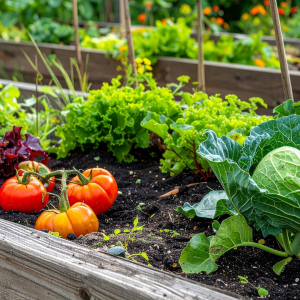
 What are the best ways to protect your garden from summer heat? The Texas summer sun can be brutal. Intense heat stresses even the hardiest plants, causing them to wilt, stop producing fruit, and eventually die. You must take proactive steps to shield your garden from the soaring temperatures. A few smart strategies can make the difference between a thriving garden and a sun-scorched patch of dirt.
Insulate the Soil with Mulch
Bare soil heats up quickly, baking the delicate roots of your plants. You can solve this problem by applying a thick layer of mulch. A two- to three-inch layer of straw, shredded leaves, or wood chips acts as a powerful insulator. It keeps the soil cool and locks in moisture. This reduces how often you need to water and protects your plants’ root systems from heat stress.
Water Smart, Not Hard
Your watering technique is crucial during a heatwave. You should water your garden deeply in the early morning. This gives the plants a chance to absorb the moisture before the sun gets too hot and evaporates it. Deep watering encourages roots to grow downward into the cooler earth, making them more resilient. Avoid light, frequent sprinklings, which only wet the surface and promote shallow, vulnerable roots.
Provide Afternoon Shade
The afternoon sun is the most intense. You can protect your sensitive plants, like tomatoes and peppers, by providing temporary shade. Use a shade cloth, an old sheet, or even a strategically placed umbrella to block the harshest rays. This simple barrier can lower the temperature around your plants significantly. It prevents leaf scorch and gives them a much-needed break from the relentless heat.
What Are the Best Ways to Protect Your Garden from Summer Heat?
A little protection goes a long way. By keeping the soil cool, watering effectively, and offering shade, you help your garden survive and even thrive through the hottest months.